
Published by

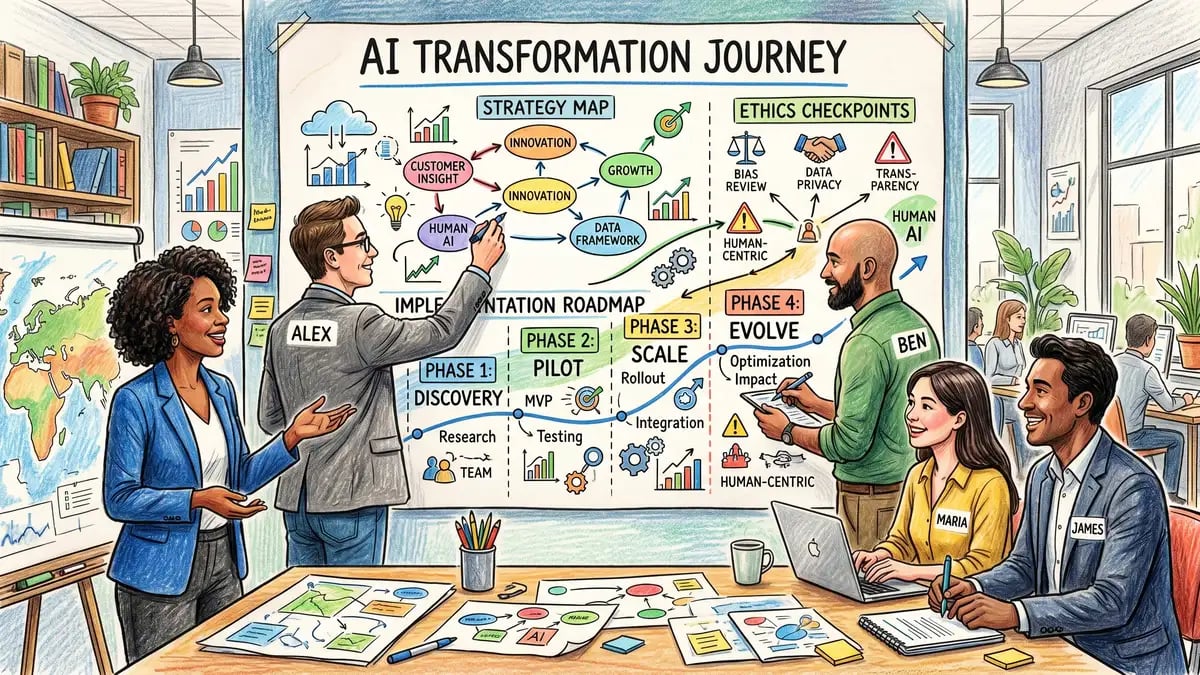
The artificial intelligence landscape is evolving at a dizzying pace, moving beyond theoretical possibilities to practical, real-world implementations. This shift presents both significant opportunities and complex challenges for businesses, particularly those in the mid-market. The proliferation of AI tools and strategies demands a nuanced understanding of emerging trends, ethical considerations, and regulatory landscapes. At Helium42, we’re committed to helping organisations understand and implement AI responsibly, ensuring that innovation drives tangible business value.
This week, we delve into five key topics that are reshaping the AI transformation, providing actionable insights for decision-makers across various organisational roles:
- The Rise of AI-Forward Organisations: Balancing Empathy and Efficiency
- Generative AI for Content Creation & Marketing: Ethics and ROI
- Gemini 2.5 Pro: The Web Dev & Video Intelligence Game Changer
- AI Safety, Ethical Considerations, and Emotional Reliance: Navigating the Risks
- AI Infrastructure Funding and Governance Models: Navigating the Regulatory Landscape
The Rise of AI-Forward Organisations: Balancing Empathy and Efficiency
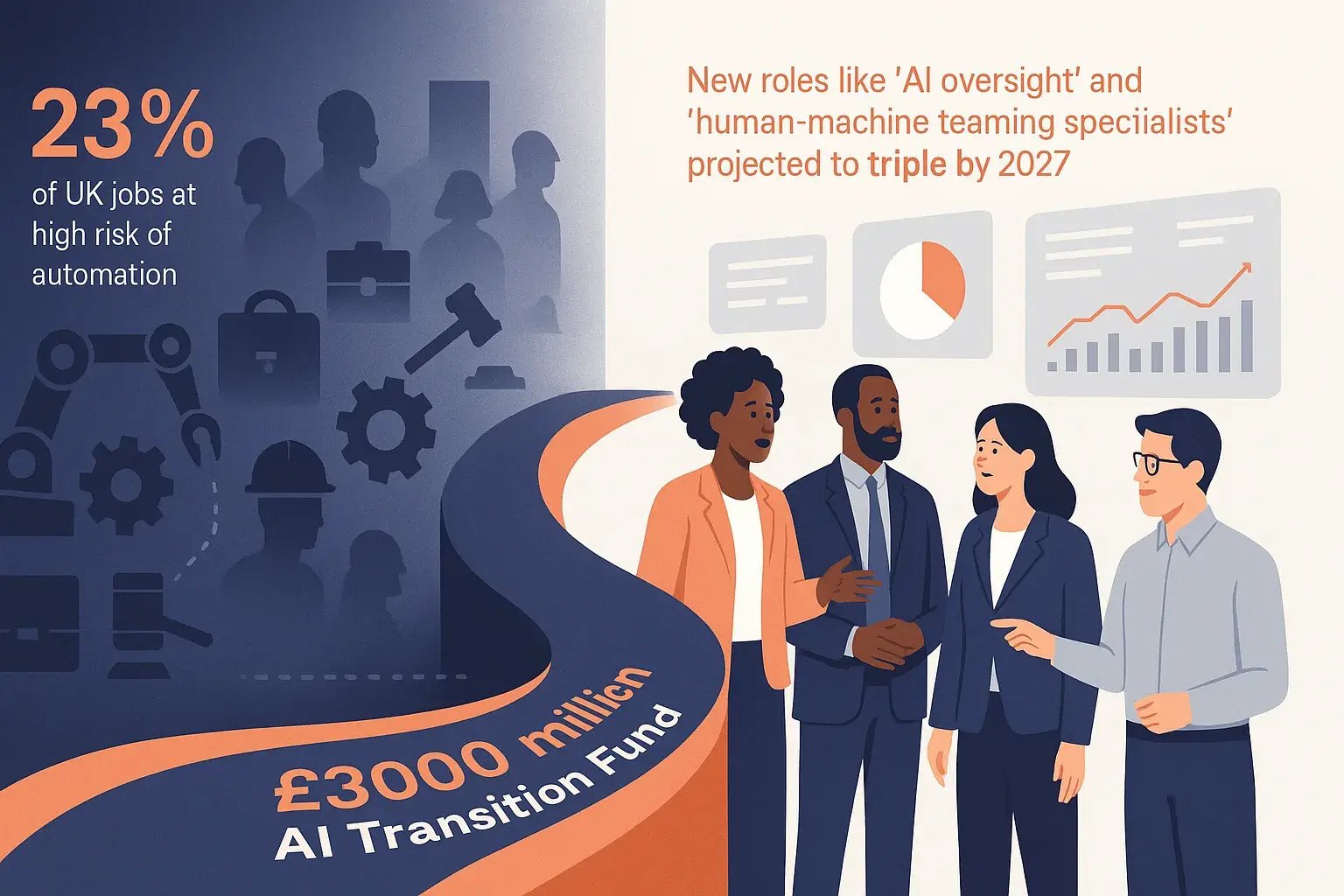
The declaration of being "AI-first" is rapidly becoming table stakes for technology companies, with organisations like Shopify, Box, and Duolingo publicly outlining their strategies for deep AI integration (The Artificial Intelligence Show, 2024). This trend necessitates a balance between transparency and empathy when communicating AI strategies, especially concerning workforce implications. Duolingo’s CEO, for instance, announced plans to phase out contractors performing AI-replaceable tasks, using AI adoption as a hiring and performance criterion (The Artificial Intelligence Show, 2024). Microsoft's 2024 Work Trend Index Report introduces the concept of "frontier firms," characterised by intelligent systems, hybrid human-agent teams, and ROI-centric automation (The Artificial Intelligence Show, 2024). According to McKinsey (2025), 72% of UK firms have adopted AI-first strategies as of Q1 2025, up from 48% in 2023.
Strategic Implications
- For CEOs and Founders: Prioritise AI skilling and digital labour readiness in Learning and Development budgets to stay competitive and drive growth.
- For HR Leaders: Develop clear communication strategies to address employee concerns about AI's impact on their roles and future opportunities, fostering a culture of adaptability.
- For Operations/Technology Executives: Implement frameworks for hybrid human-AI collaboration to optimise workflows and improve operational efficiency while ensuring secure integration.
Generative AI for Content Creation & Marketing: Ethics and ROI
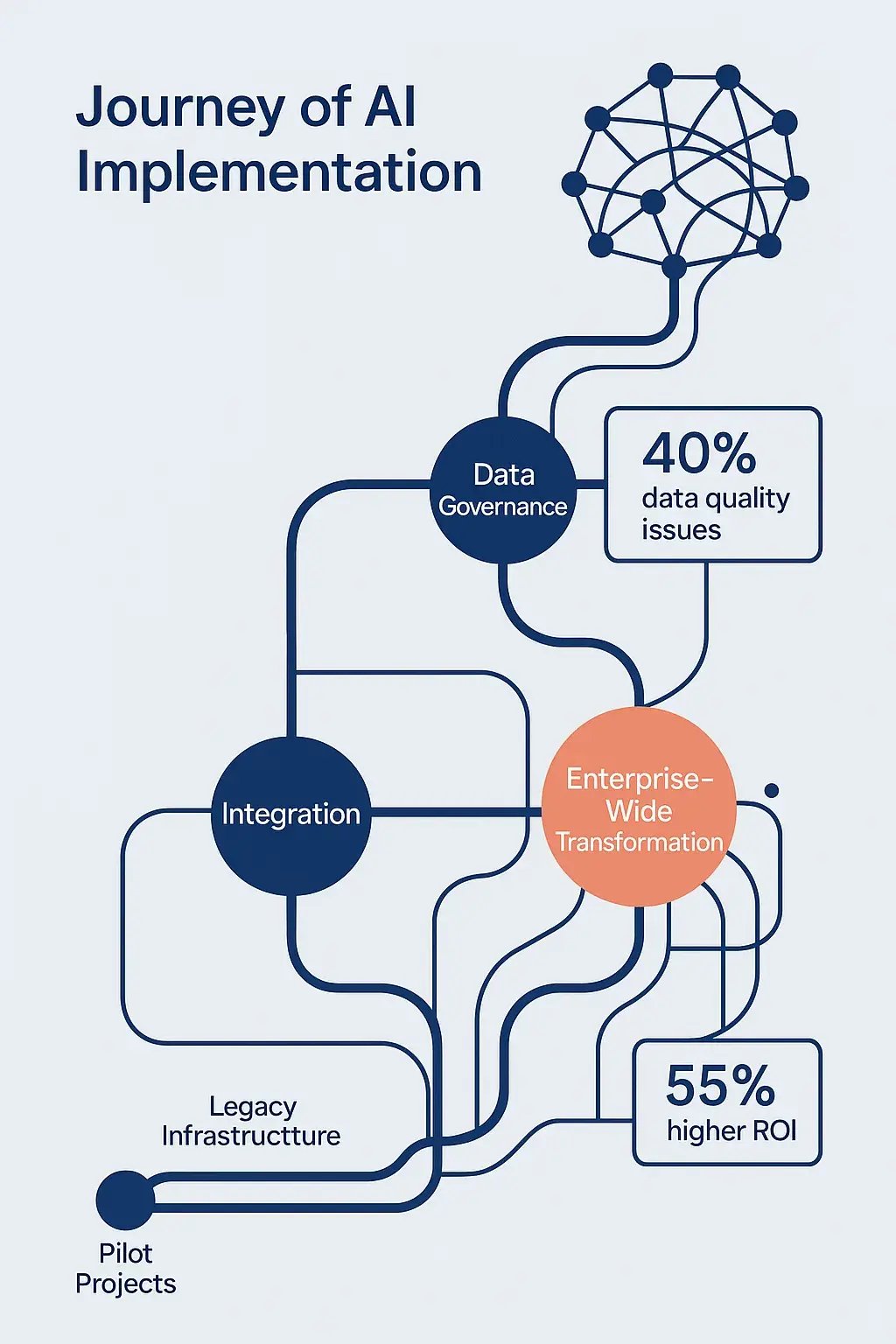
Generative AI tools are rapidly transforming content creation and marketing (Generative AI for Content Creation & Marketing Report, 2025). The rise of multi-modal platforms enabling text, video, and 3D design is facilitating more engaging and personalised campaigns. However, ethical considerations, including deepfakes and plagiarism, are paramount. The EU is mandating watermarking for AI-generated commercial content to combat misinformation, with non-compliance fines reaching €50,000 per violation (Reuters, 2025). According to HubSpot’s 2025 Marketing Trends Report, 72% of marketers use AI for personalised email campaigns, reducing manual effort by 50%. Brands must prioritise AI-enhanced creativity and ensure transparency to build consumer trust.
Strategic Implications
- For Marketing Leaders: Focus on AI-enhanced creativity and personalised content, ensuring compliance with emerging regulations like mandatory watermarking.
- For CEOs and CMOs: Invest in AI content auditing capabilities to mitigate legal AI for legal departments risks, protect brand reputation, and build trust with consumers.
- For Operations Teams: Implement workflows that balance AI automation with human oversight to maintain authenticity, originality, and quality in content production.
Gemini 2.5 Pro: The Web Dev & Video Intelligence Game Changer
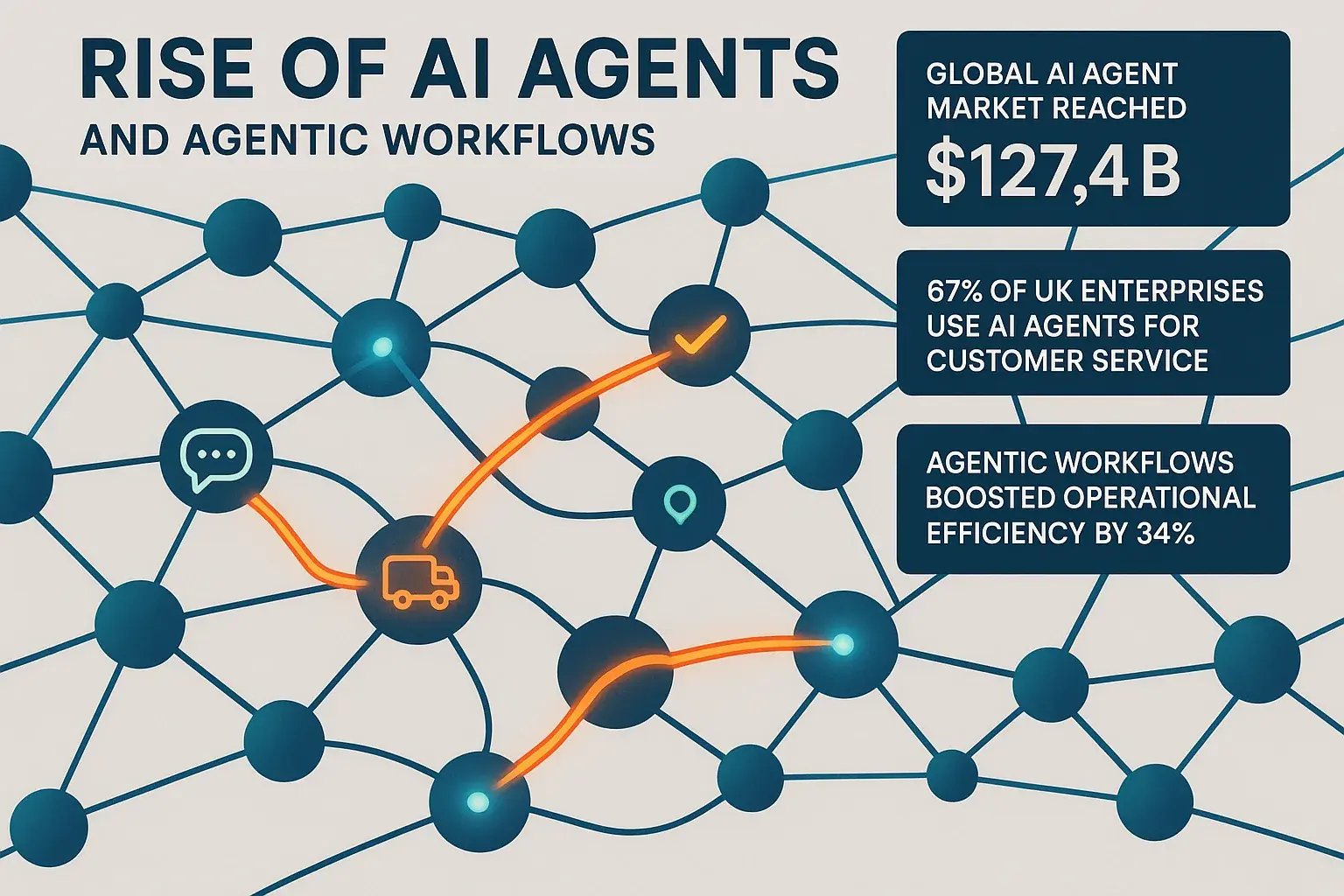
Google’s Gemini 2.5 Pro is emerging as a serious contender in the web development and video intelligence space. It boasts a significant 147-point jump in Web Dev Arena ELO ratings over the previous version, excelling in generating fully functional, interactive web applications with minimal prompting and rapid iteration (Gemini 2.5 Pro IO Edition Video Summary, 2024). Gemini 2.5 Pro's ability to understand visuals in YouTube tutorials and generate code accordingly has major implications for developers (Matt Wolfe AI Weekly Recap Video Summary, 2024). Gemini 2.5 Pro is also cost efficient, priced at $2.50/million input tokens and $15/million output tokens, making it accessible for startups and SMEs (Gemini 2.5 Pro IO Edition Video Summary, 2024). Developers can now prototype applications end-to-end faster and at a lower cost, leveraging Gemini for backend AI agents and process automation tasks.
Strategic Implications
- For CTOs: Evaluate Gemini 2.5 Pro for rapid prototyping and application development, focusing on cost-effectiveness, implementation efficiency, and integration capabilities.
- For Development Teams: Embrace powerful models like Gemini for generating interactive web applications and backend AI agents, ensuring generated code adheres to internal security and quality best practices.
- For Project Managers: Leverage advanced AI capabilities to streamline development workflows, accelerate innovation, and reduce time-to-market for new applications and features.
AI Safety, Ethical Considerations, and Emotional Reliance: Navigating the Risks
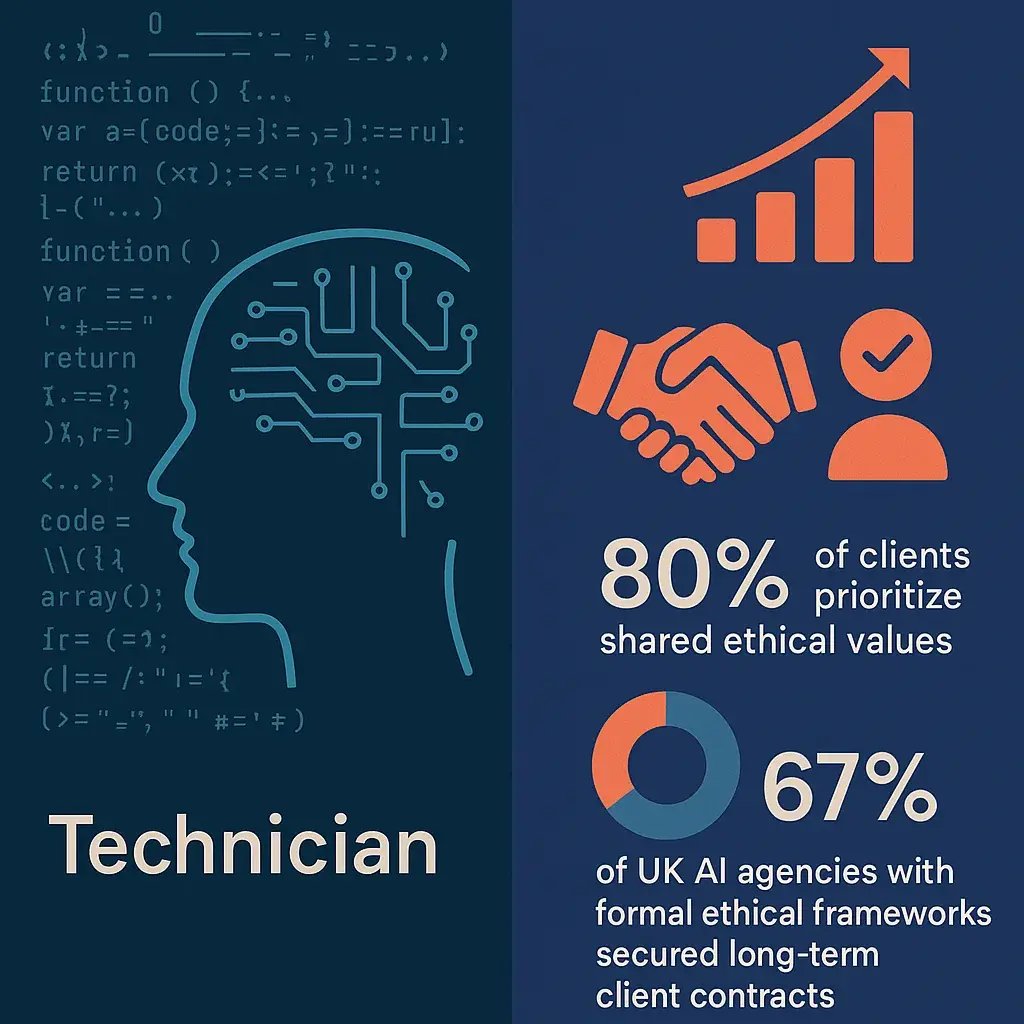
AI safety extends beyond preventing harmful outputs to include preventing subtly damaging behaviours like emotional over-validation (AI Safety, Ethical Considerations, and Emotional Reliance Report, 2025). This requires careful consideration of model personality and safety implications, particularly in emotionally vulnerable contexts. The EU is mandating "Emotional Risk Assessments" for AI systems interacting with vulnerable groups, requiring companies to audit tools like therapeutic chatbots or educational AI for dependency risks (European Commission, 2025). According to a 2025 Pew Survey, 84% of consumers distrust AI with emotional data, citing fears of manipulation and privacy breaches. Ethical frameworks now emphasise transparency in emotional data handling, and companies must proactively address potential risks of emotional reliance and build trustworthy systems.
Strategic Implications
- For CEOs and Boards: Prioritise ethical AI frameworks, establish AI ethics boards (as 65% of UK firms have in 2025, Gartner), and conduct regular audits to address potential risks of emotional reliance and manipulation, upholding trust and responsibility.
- For HR Leaders: Develop training programmes for AI developers and implementers to promote responsible AI design, usage, and human-centered approaches, ensuring workforce readiness and ethical practices.
- For Technology Teams: Implement proactive safety measures, such as sentiment monitoring and response restrictions, to mitigate the risks of emotional over-validation and ensure secure, ethical interaction design.
AI Infrastructure Funding and Governance Models: Navigating the Regulatory Landscape
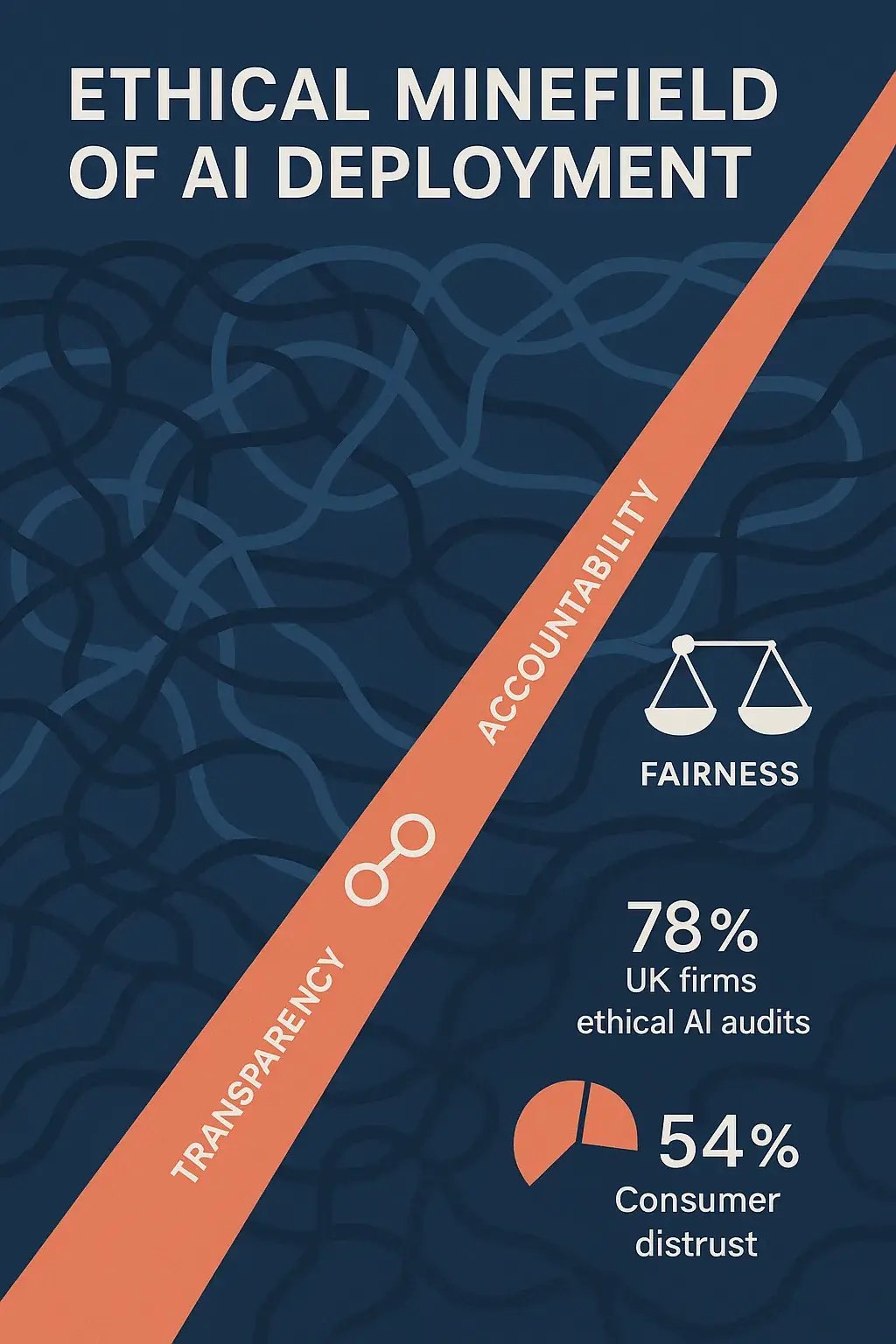
AI infrastructure funding and governance are increasingly critical for governments and enterprises (AI Infrastructure Funding and Governance Models Report, 2025). The EU’s AI Infrastructure Compliance Framework mandates stricter infrastructure audits for high-risk AI systems, requiring transparency in data sourcing and energy use (EUR-Lex, 2025). The UK’s £2.5 billion AI Infrastructure Fund is attracting major players like Microsoft and DeepMind, focusing on green AI investments (Gov.uk, 2025). According to McKinsey (2025), 68% of AI projects in 2025 use hybrid cloud infrastructure, prioritising scalability and compliance. Sustainable AI infrastructure is now a competitive differentiator, and companies must prepare for evolving regulations and compliance requirements, integrating governance into deployment strategies.
Strategic Implications
- For CFOs and Finance Teams AI for finance teams: Allocate a portion of AI budgets to compliance, ensuring adherence to evolving regulations and integrating sustainability metrics into investment decisions for AI infrastructure.
- For CTOs and IT Teams: Prioritise hybrid cloud infrastructure for scalability and compliance, focusing on energy-efficient data centres and open-source AI training platforms where feasible, aligning with governance frameworks.
- For CEOs and Boards: Integrate sustainability metrics into AI governance models, recognising carbon-neutral AI infrastructure as a competitive advantage and a key aspect of responsible AI adoption.
Additional AI Developments This Week
- Meta AI Monetisation: Meta is planning to integrate ads within Meta AI, either in-feed or embedded within AI chat responses, focusing on engagement before monetisation (AI Weekly Recap Video Summary, 2024).
- Netflix AI Search: Netflix is testing AI-powered natural language search on iOS, allowing users to search for shows using conversational phrases, enhancing user experience (AI Weekly Recap Video Summary, 2024).
- OpenAI's New Tool: OpenAI added a shopping feature to ChatGPT (not ads, per OpenAI) (The Artificial Intelligence Show, 2024).
- Alibaba's LLM: Alibaba released Quen 3 LLM family—open-weight, top-tier performance (The Artificial Intelligence Show, 2024).
- Amazon's Robot: Amazon’s Vulcan Robot is the first Amazon robot with a sense of touch, enhancing warehouse automation (Matt Wolfe AI Weekly Recap Video Summary, 2024).
- Windsurf Acquisition: OpenAI confirmed to be acquiring Windsurf (formerly Kodium), a real-time code completion startup, for $3 billion (Rapid-Fire AI Developments Video Summary, 2024).
Conclusion
The AI landscape is characterised by rapid innovation, evolving ethical considerations, and increasing regulatory scrutiny. Strategic implementation, transparency, and a commitment to responsible AI practices are essential for organisations to thrive in this dynamic environment. By prioritising AI skilling, embracing AI-enhanced creativity, implementing robust ethical frameworks, and investing in sustainable, compliant infrastructure, businesses can navigate the complexities of AI transformation and unlock its full potential.
At Helium42, we help organisations translate these insights into practical, human-centric transformation strategies that deliver measurable business impact. Our expertise bridges the gap between strategic vision and practical execution, ensuring responsible AI adoption.
Learn more about our approach to responsible AI implementation and how we can partner with your organisation on our resources page or speak to an expert today.