AI Software Development Agency: How to Choose the Right Partner
The AI Software Development Market in 2026 £337.75bn UK AI market size by 2032 (26.4% CAGR) £800–£1,500+ Daily rates for mid-market...
16 min read
Peter Vogel
:
Updated on March 27, 2026
Artificial intelligence is fundamentally reshaping dental practice across the United Kingdom, presenting both transformative opportunities and critical implementation considerations for practice owners and clinical teams. The global dental AI market is valued at $459.6 million as of 2024 and is projected to reach $3.26 billion by 2034 at a compound annual growth rate of 21.78 percent, reflecting one of the fastest-growing segments within healthcare AI. Within the UK specifically, dental AI adoption has accelerated substantially in 2025, with a significant proportion of dental practices now deploying validated diagnostic platforms alongside digital imaging solutions and practice management automation. This transition from emerging technology to commercially mature category offers immediate value for both private practices and NHS-contracted providers seeking to improve diagnostic accuracy, enhance patient outcomes, and reduce administrative burden.
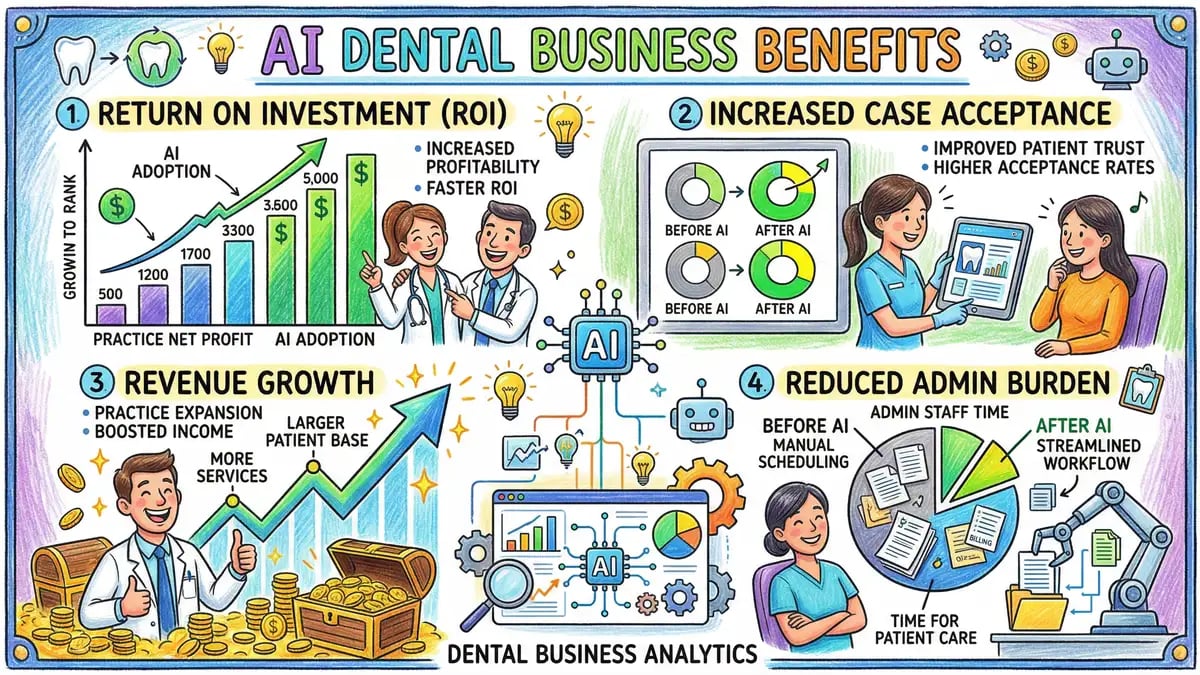
The evidence supporting dental AI implementation is now sufficiently robust to inform clinical practice change across UK dental settings. AI applications span diagnostic imaging interpretation, treatment planning, patient communication, and practice management, with varying levels of clinical validation and regulatory approval. The most mature applications—radiographic analysis and pathology detection—demonstrate diagnostic accuracy exceeding 98 percent in detecting common dental anomalies, with real-world case studies documenting 73 percent improvement in early caries detection when dental teams adopt validated platforms. Beyond diagnostic excellence, dental AI delivers substantial economic value: single-location practices can expect return on investment of 499 percent within 2.5 months through improved early detection and increased case acceptance, whilst larger dental support organisations implementing enterprise-level platforms across multiple locations can expect £5–£10 million incremental annual profit from combined diagnostic and administrative AI deployment.

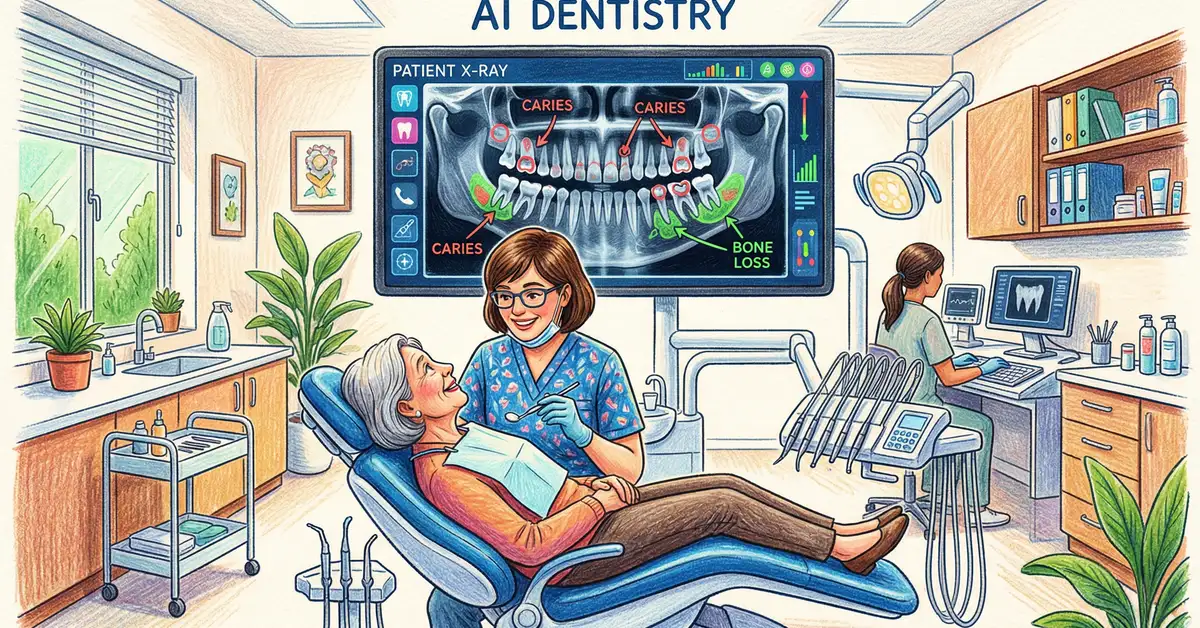
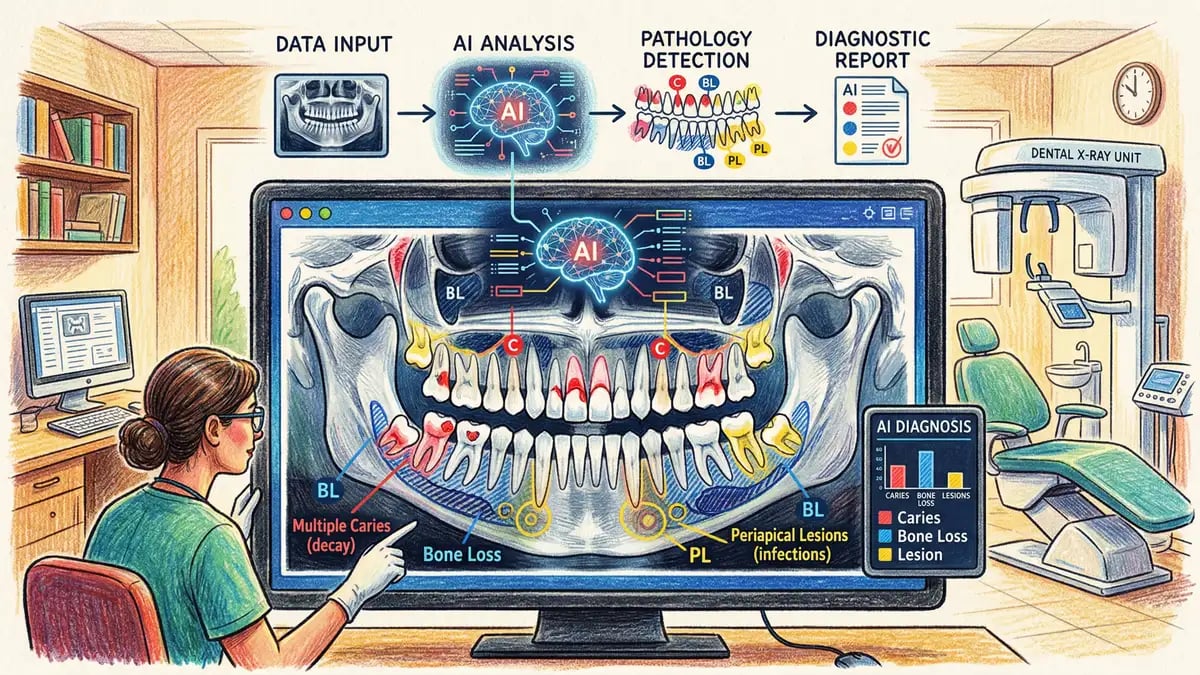
The most mature and clinically validated application of artificial intelligence in dentistry is radiographic analysis, particularly for detection of common dental pathologies including caries, bone loss, periapical lesions, and restorative failures. Artificial intelligence systems trained on dental radiographs can identify pathological findings with accuracy exceeding human performance in many contexts, whilst simultaneously standardising diagnostic criteria across multiple clinicians and practice locations. Comprehensive systematic reviews examining radiographic detection of periodontal bone loss have identified that AI-based models demonstrate sensitivity values ranging from 0.23 to 1.00 and accuracy from 0.506 to 1.00 across different algorithmic approaches, with more recent studies focusing on panoramic radiographs specifically demonstrating particularly strong performance.
Real-world implementation evidence demonstrates the clinical and economic value of these laboratory findings. A UK dental practice (Blue Court Dental) conducting a prospective analysis from October 2024 through January 2025 implemented Pearl's Second Opinion AI platform across 145 X-rays from 35 patients. The analysis revealed that Pearl identified 44 early carious lesions, of which the practice's dentists had spotted only 12 using traditional methods, representing a 73 percent detection rate for lesions that might otherwise have progressed to major procedures requiring extensive and expensive intervention. Nine of the 32 missed lesions required immediate reassessment and restoration, demonstrating the clinical and economic value of AI-assisted detection in identifying disease at stages where preventive or minimally invasive treatment remains possible. This case study is particularly significant because it documents real-world clinic performance rather than laboratory research conditions, and because the benefits extended beyond simple detection to include improved patient understanding and communication.
Artificial intelligence also provides objective measurement capabilities that support more quantitative approaches to diagnostic assessment. AI platforms including Overjet include FDA-cleared quantification modules that measure alveolar bone loss with millimetre-level precision, enabling assessment of periodontal disease severity and treatment response monitoring. This capability represents a substantial advance over traditional visual assessment, which relies on subjective interpretation and is subject to inter-examiner variability. The ability to quantify bone loss progression over time enables more precise treatment planning and outcome measurement, supporting both clinical decision-making and objective communication with patients regarding disease stage and treatment urgency.

Early caries detection through artificial intelligence enables preventive and minimally invasive treatment strategies that would otherwise remain unavailable if disease progression proceeded undetected. The diagnostic accuracy of AI systems in early caries detection has been specifically validated for paediatric patients, with studies demonstrating that AI can achieve diagnostic accuracy exceeding 98 percent in detecting common dental anomalies, with particular sensitivity for incipient caries lesions that are clinically challenging to visualise on traditional radiographs. VideaHealth's FDA-cleared AI platform covers detection of 11 dental conditions and represents the first FDA-cleared paediatric dental AI for patients aged three years and above. This is clinically significant because early caries detection in young children can prevent progression to more extensive disease and support preventive care strategies aligned with contemporary best-practice guidelines from the General Dental Council.
When dental practices implement AI systems that produce colour-coded visual overlays, annotated findings, and precise measurements directly integrated into patient-facing communications, treatment acceptance improves significantly. Evidence from behavioural research demonstrates that 65 percent of patients do not understand their X-rays, and 59 percent do not trust the diagnosis without additional explanation. When practices position AI-generated annotations highlighting specific lesions and measurements within patient communication, the doctor-patient relationship fundamentally shifts from one of scepticism to partnership. This is particularly valuable in minimally invasive dentistry contexts, where early intervention depends on patient understanding of disease risk and acceptance of treatment at earlier, more conservative stages.
The April 2026 NHS dental contract reforms will elevate urgent care payments by 76 percent and permit trained nurses to apply fluoride varnish as standalone treatment, creating explicit financial incentives for practices to implement AI-driven early detection systems. AI systems that standardise radiographic interpretation and automate preliminary diagnostic assessment can dramatically improve the efficiency of patient triage and enable preventive interventions to be delivered to high-risk patients before disease progresses to treatment threshold.
Cone Beam Computed Tomography imaging produces three-dimensional datasets that present particular analytical challenges for human interpretation, yet AI systems are increasingly capable of automating segmentation, measurement, and pathology identification across complex volumetric data. Studies examining AI-assisted CBCT interpretation demonstrate that artificial intelligence significantly improves dentists' sensitivity and specificity compared with unaided evaluation. This improvement is clinically meaningful because CBCT analysis is particularly time-consuming and subject to observer fatigue, especially when assessing multiple anatomical structures across extensive datasets.
AI-based CBCT segmentation systems automatically identify, label, and measure anatomical structures including the dentition, maxilla, mandible, inferior alveolar canal, mental foramen, maxillary sinus, nasal space, and airway. Overjet's CBCT Assist platform automates segmentation and measurement of anatomical and restorative structures in 3D scans, supporting treatment planning for complex cases including orthognathic surgery assessment, dental implant positioning, and third molar extraction risk evaluation. Pearl's Second Opinion 3D platform similarly enables automated identification of anatomical structures in CBCT, supporting faster treatment planning workflows. These applications are particularly valuable for specialist practices and dental support organisations managing high volumes of complex cases, where standardisation of analytical approach improves diagnostic consistency and treatment predictability. By leveraging AI-powered medical imaging analysis, specialist practices can accelerate case assessment whilst maintaining clinical accuracy.
Artificial intelligence has emerged as a valuable tool in orthodontic diagnostics, particularly for cephalometric analysis and skeletal pattern classification. Recent systematic review evidence demonstrates that AI-based tools provide clinically acceptable accuracy in cephalometric image analysis, with landmark detection errors typically ranging from 1 to 2 millimetres compared to expert annotation—well within clinically acceptable limits. YOLO and convolutional neural network (CNN)-based systems achieve accuracy comparable to experienced orthodontists, whilst Bayesian CNN models additionally provide uncertainty estimates that improve clinical interpretability.
Artificial intelligence assessment of cervical vertebral maturity, a critical parameter in determining optimal timing for orthognathic surgery and growth-modifying orthodontic treatment, achieves accuracy up to 95 percent using artificial neural network models. In screening studies prior to orthognathic surgery, multilayer perceptron combined with regional convolutional neural network achieved 96.3 percent agreement with expert surgical decisions. These performance metrics are clinically significant because they suggest that AI systems could reduce the need for manual cephalometric analysis whilst improving consistency across providers and cases. For orthodontic specialists managing large caseloads, this represents substantial time savings without compromising diagnostic accuracy.
AI-assisted diagnosis of impacted teeth represents another emerging application with documented clinical value. Across detection and classification tasks, most AI models demonstrate good to excellent diagnostic performance, with more than 70 percent of reported metrics exceeding 0.80. These findings suggest that AI tools could support earlier diagnosis of impacted teeth, enabling timely referral for specialist intervention and reducing the risk of complications including ankylosis, root resorption, and treatment delay. For general practitioners identifying cases requiring specialist management, AI-assisted analysis supports faster and more reliable diagnosis at the initial consultation stage.
An often-overlooked clinical benefit of artificial intelligence in dentistry is improved patient communication and treatment acceptance. When dental practices implement AI systems that produce colour-coded visual overlays and annotated findings directly integrated into patient-facing communications, treatment acceptance improves significantly. The Blue Court Dental case study documented that Pearl's colour-coded visual interface transformed patient education from persuasion to demonstration, with patients becoming "partners in prevention" rather than sceptics requiring convincing.
This communication benefit extends beyond simple visual enhancement. When patients can see their dental issues as clearly as their dentist can, through AI-generated annotations highlighting specific lesions and measurements, the doctor-patient relationship fundamentally shifts from one of scepticism to partnership. This is particularly valuable in minimally invasive dentistry contexts, where early intervention depends on patient understanding of disease risk and acceptance of treatment at earlier, more conservative stages. Moreover, when practices demonstrate use of validated, clinically proven AI systems in diagnostic assessment, this reinforces patient perception of high-quality care and technical expertise, potentially supporting patient retention and referral rates.

Beyond clinical diagnostics, artificial intelligence is transforming the business and administrative dimensions of dental practice. These applications address some of the most significant operational challenges facing UK dental practices: administrative burden, revenue cycle management inefficiency, scheduling complexity, and staff workload. The economic value of these applications is substantial and often exceeds the value of clinical AI applications in isolation.
Dental practices report that AI-driven administrative automation reduces overhead costs by 10 to 20 percent whilst simultaneously increasing case acceptance by upwards of 15 percent. This dual benefit—simultaneous cost reduction and revenue improvement—explains why many large dental support organisations are prioritising practice management AI alongside clinical AI deployment. Key administrative applications include insurance verification automation, which enables better estimates and reduces claim denials; appointment confirmation and recall automation, which personalises outreach processes; and front-desk workload reduction through automated task lists and call scripts.
Revenue cycle management represents a particularly high-value application area. Automated claim error detection can auto-generate clean claim narratives from clinical notes and reduce claim denials, thereby accelerating cash flow. Large dental support organisations implementing AI-driven revenue cycle management have documented substantial improvements: Signature Dental Partners, a 98-location DSO, reported that collections increased, turnaround days decreased, and only two practices fell below 90 percent collection rates across the entire portfolio after implementing AI into their revenue cycle management processes.
Inventory management and supply chain optimisation represent another high-value application. AI systems can predict supply usage by provider, operatory, and procedure type; flag anomalies; and recommend par levels and reorder points. Additionally, AI systems reduce expired inventory by capturing lot numbers and expiration dates. For dental support organisations managing hundreds of locations, these applications generate significant cost savings through reduced waste and optimised inventory levels.
UK dental practices considering artificial intelligence adoption will encounter several commercially mature platforms with established FDA clearances, clinical validation, and proven implementation experience. Understanding the regulatory status, clinical capabilities, and pricing of these platforms is essential for informed procurement decisions.
Overjet and Pearl represent the two most clinically validated and widely implemented AI platforms for dental radiographic analysis globally, and both are available to UK dental practices. Overjet holds ten FDA-cleared modules covering caries and calculus detection for paediatric and adult patients, periapical radiolucency, automated dental charting, and image enhancement. Notably, Overjet is the first and only dental AI platform FDA-cleared to enhance images—automatically improving blurry or noisy X-rays without losing clinical details. This image enhancement capability represents a substantial clinical advantage, as it enables practices to extract diagnostic value from lower-quality radiographs without requiring retakes, potentially reducing radiation exposure and improving workflow efficiency.
Pearl follows with seven FDA-cleared modules including multi-condition detection in bitewing and periapical images, periodontal bone level measurement, CBCT segmentation, and specialised modules for paediatric caries. Pearl's Second Opinion platform integrates with existing imaging and practice management systems via a cloud-based overlay approach, requiring less integration complexity than Overjet's imaging-first architecture. The platform's colour-coded visual interface and patient-facing explanations have demonstrated particular value in improving patient understanding and treatment acceptance.
VideaHealth's VideaAI platform represents a clinically comprehensive offering with 30+ FDA-cleared algorithms covering 11 dental conditions, including the first FDA-cleared paediatric dental AI for patients aged three and above. This broad diagnostic coverage distinguishes VideaAI from single-condition-focused platforms. The platform has achieved substantial real-world implementation scale, successfully onboarding 20,000+ providers across 1,750+ offices nationwide, demonstrating proven ability to scale across enterprise-level DSO environments. GPS Dental, a fast-growing DSO with over 100 practices, reported 19 percent increase in gross production per patient and 32 percent rise in crown production after deploying VideaHealth's platform. For practices seeking to integrate AI with broader AI solutions in healthcare, understanding platform compatibility and integration with clinical documentation systems is essential.
UK dental practices implementing artificial intelligence must navigate a complex and evolving regulatory environment comprising three principal regulatory bodies: the Care Quality Commission (CQC), which regulates dental practice quality and safety; the Medicines and Healthcare Regulatory Agency (MHRA), which regulates healthcare devices including software as a medical device; and the General Dental Council (GDC), which sets professional standards for dental practitioners.
The MHRA launched a Call for Evidence into the regulation of AI in healthcare in December 2025, with closure on 2 February 2026. This consultation process signals that the MHRA is actively developing and refining its regulatory framework to accommodate emerging AI technologies whilst ensuring safety and efficacy. The NHS 10-Year Plan explicitly states that the government will work with the MHRA to make the UK the fastest and safest place to regulate AI in healthcare, indicating a clear policy direction toward regulatory clarity and accelerated approval pathways for clinically validated technologies. The MHRA is expected to publish a new regulatory framework for AI as a medical device in 2026, which will provide detailed guidance on classification, premarket assessment requirements, postmarket surveillance, and governance expectations for AI systems used in clinical practice.
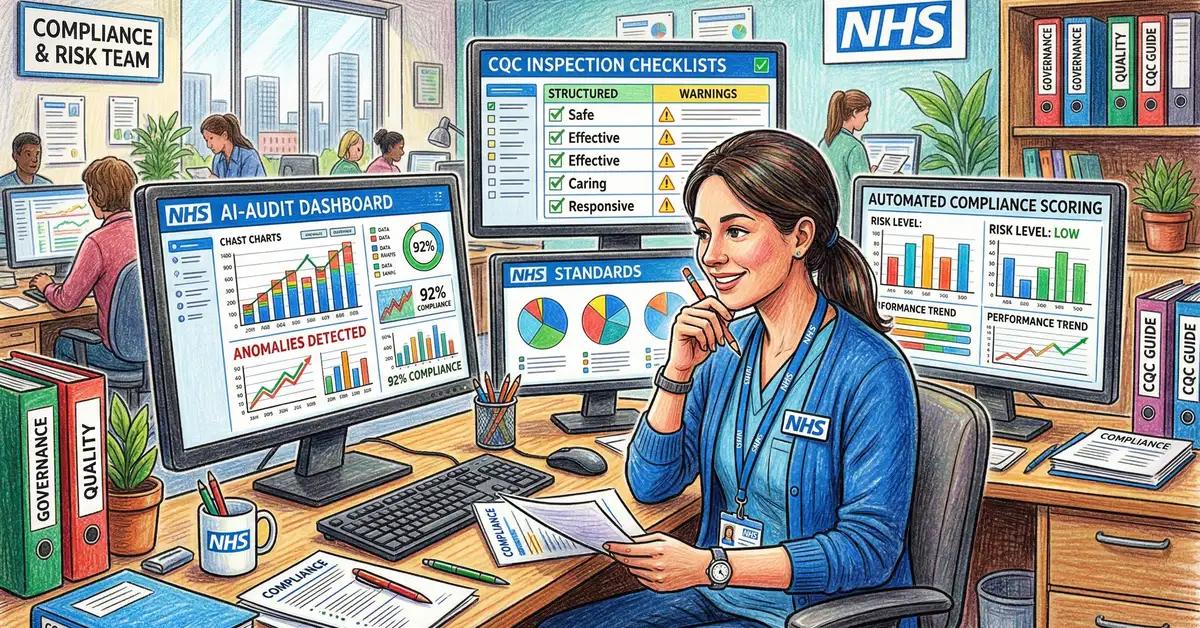
The Care Quality Commission regulates dental practice quality through fundamental standards and inspection processes, with particular focus on patient safety, care quality, and organisational governance. The CQC does not prescribe specific AI platforms or mandate technology adoption, but it does expect practices to maintain appropriate clinical governance, staff training, and quality assurance processes when implementing new technologies. Most importantly, the CQC expects practices to maintain human clinical responsibility for all diagnostic and treatment decisions. Artificial intelligence should be positioned as a clinical decision support tool that enhances—rather than replaces—professional judgment.
The General Dental Council standards establish that patient health must always be the priority, and that dentists must maintain clinical responsibility for diagnosis and treatment planning decisions. The GDC expects dentists to maintain appropriate knowledge and training in any technology they use clinically, meaning that practices implementing AI systems should ensure that clinicians have received appropriate training on system operation, interpretation of AI findings, and integration of AI recommendations into comprehensive clinical assessment. For further guidance on compliance requirements, practitioners should review the GDC Standards for the Dental Team.
The April 2026 NHS dental contract reforms introduce structural changes that create explicit financial incentives for practices to implement AI-driven diagnostic and administrative systems. The reforms establish fixed payments for high-needs care packages (£248–£709 per course depending on complexity), increased urgent care payments (76 percent increase to £75 per course), and prevention delegation to trained nurses, all whilst retaining the Units of Dental Activity (UDA) system.
These reforms particularly incentivise AI implementation for radiographic triage and early caries detection, as practices must rapidly assess patients, categorise them into care complexity levels, and allocate them to appropriate care pathways. AI systems that standardise radiographic interpretation and automate preliminary diagnostic assessment can dramatically improve the efficiency of this triage process. Additionally, the reforms permit trained nurses to apply fluoride varnish as a standalone treatment, creating incentives for early caries risk identification so that preventive interventions can be delivered to high-risk patients before disease progresses to treatment threshold. AI-assisted early caries detection supports this workflow by identifying patients appropriate for preventive intervention.
Understanding the financial dimensions of artificial intelligence implementation is essential for practice leaders evaluating adoption strategy. The evidence demonstrates consistently strong financial returns when AI systems are properly implemented and integrated into practice workflows.
Single-location dental practices can expect implementation costs ranging from £3,000–£6,000 annually for diagnostic AI platforms, with financial returns documented at 499 percent return on investment within 2.5 months through improved early detection and increased case acceptance. This implies that diagnostic AI generates approximately £15,000–£30,000 in additional annual revenue per single-location practice through improved early pathology detection, increased case acceptance, and reduced missed treatment opportunities. The economic model underlying these returns is straightforward: AI systems identify additional treatment opportunities that would have otherwise remained undetected, expanding the treatmentable case volume available to the practice.
Dental support organisations managing 50–500+ practice locations can leverage enterprise-level AI platforms for both clinical diagnostics and administrative automation, capturing substantially larger total economic benefits. Documented financial impacts at DSO scale include improvements in collections and reduced turnaround times through AI revenue cycle management, additional monthly revenue of £13,900 per location through AI-driven patient engagement (SGA Dental Partners), and 19 percent gross production per patient increase through VideaHealth platform deployment across multiple practices. For a typical DSO managing 100 practices with £500,000 annual revenue per practice, even a conservative 10 percent production increase represents £5 million in incremental annual production.
The cumulative evidence supporting artificial intelligence adoption in dental practice now includes not only laboratory validation studies but also real-world implementation data from practices of varying sizes and patient demographics. Systematic review evidence synthesising dozens of peer-reviewed studies examining AI diagnostic accuracy across multiple imaging modalities demonstrates consistent performance: for periodontal bone loss detection, AI systems achieve sensitivity and specificity metrics consistently exceeding 0.85, with multiple studies reporting perfect sensitivity (1.00) and near-perfect specificity (0.98) on panoramic radiographs. For caries detection, AI systems demonstrate accuracy exceeding 98 percent in detecting common dental anomalies. For impacted tooth diagnosis, 70 percent of reported diagnostic performance metrics exceed 0.80 across detection, classification, segmentation, and prediction tasks.
The evidence also documents conditions where AI performance is particularly strong versus areas requiring human clinical oversight. Artificial intelligence excels at detecting objective, morphological findings such as bone loss, radiolucent lesions, and tooth position. AI is less reliable for subjective assessments or conditions requiring broad contextual clinical reasoning. Importantly, whilst AI can enhance human diagnostic performance through systematic review and flagging of potential findings, artificial intelligence cannot completely replace human clinical judgment, particularly for treatment planning and patient communication decisions that depend on comprehensive patient evaluation. Helium42 has served 500+ companies and trained 2,000+ professionals in AI implementation, with 95% client satisfaction and documented 40% average efficiency gains, providing evidence-based guidance on integrating AI into practice workflows and ensuring AI compliance with healthcare regulations.
Whilst the evidence supporting artificial intelligence adoption is compelling, UK dental practices should understand the implementation challenges and risks to ensure successful deployment. The most common implementation failure pattern is attempting to overlay AI technology onto existing workflows without fundamental workflow redesign. Practices that treat AI as simply "another software tool" and fail to redesign clinical workflows to effectively utilise AI recommendations often see disappointing adoption and minimal financial return.
Successful implementation requires clear definition of how AI findings will be integrated into clinical assessment, how discordance between AI and clinical judgment will be managed, how findings will be communicated to patients, and how documentation will be standardised. High-performing practices implementing AI allocate time for team training, establish clear protocols for AI integration, and conduct regular audits to verify that AI recommendations are being appropriately acted upon. The ADA Digital Pilot Programme demonstrated that routine adoption of digital technologies (including AI-assisted analysis) requires structured support including personalised one-to-one training, consultation strategy coaching, case discussions, and weekly performance review. Practices attempting to implement AI without this level of support commonly experience slow adoption and underutilisation.
Clinician adoption of AI systems depends on staff training, confidence in system accuracy, and integration of AI recommendations into existing clinical routines. Practices experiencing slow or incomplete clinician adoption commonly have insufficient training, inadequate workflow integration, or clinician scepticism about system accuracy. The most successful implementations involve senior clinicians as early adopters who can model effective use and mentor other team members. Regular calibration discussions comparing AI recommendations with clinical assessment, and discussion of discordance cases, build clinician confidence and support full adoption across the practice team.
Modern dental practice management software increasingly incorporates artificial intelligence functionality or integrates with standalone AI platforms. Understanding how AI platforms integrate with existing practice management infrastructure is essential for successful implementation. Overjet's proprietary IRIS imaging software represents an AI-native imaging architecture built directly into the platform, eliminating the need for separate imaging software and supporting seamless integration of AI diagnostics directly into the imaging workflow. Alternatively, Pearl's Second Opinion integrates with existing imaging and practice management systems via cloud-based overlay, requiring less disruption to existing imaging workflows and supporting easier migration for practices with established imaging infrastructure.
Practice management software must reliably integrate with artificial intelligence platforms to support clinical documentation and enable data-driven analytics. Practices considering AI implementation should ensure that chosen AI platforms integrate with existing practice management software to enable documented capture of AI findings, treatment recommendations, and outcomes. Systems requiring manual transcription of AI findings into practice management software create documentation risk, reduce clinician adoption, and undermine the value of AI-driven practice analytics. Integration approaches that automatically write key activity back into the practice management system whilst maintaining it as the source of truth ensure comprehensive visibility and support governance requirements for evidence-based clinical decision-making.
Implementation of artificial intelligence in dental practices raises important considerations regarding patient data security, clinical data governance, and compliance with UK healthcare data protection regulations. The General Data Protection Regulation (GDPR) and UK Data Protection Act 2018 establish strict requirements for processing of personal data, including patient health records. Practices implementing AI systems must ensure that patient data is processed only with appropriate consent, that data sharing with AI vendors is explicitly authorised, and that vendors maintain appropriate data security and confidentiality safeguards.
The Medicines and Healthcare Regulatory Agency's forthcoming regulatory framework for AI as a medical device will establish requirements for data governance, cybersecurity, and performance monitoring of AI systems used in clinical practice. Practices should evaluate AI platforms not only on clinical performance and cost but also on security credentials, data governance practices, and the vendor's track record in supporting compliance with UK regulatory requirements. When selecting AI implementation partners, practices should request evidence of GDPR compliance, appropriate insurance and liability coverage, and formal security assessments demonstrating that patient data is adequately protected.
No. Artificial intelligence serves as a clinical decision support tool that enhances human professional judgment. Dentists retain ultimate responsibility for diagnosis, treatment planning, and patient communication. AI recommendations should be reviewed, integrated with comprehensive clinical assessment, and acted upon independently by the treating dentist. The General Dental Council and Care Quality Commission both expect dentists to maintain clinical oversight and responsibility for all diagnostic and treatment decisions.
Single-location dental practices can expect implementation costs ranging from £3,000–£6,000 annually for diagnostic AI platforms. Larger dental support organisations implementing enterprise-level platforms may have different pricing models based on location count and module selection. Most platforms generate financial return on investment within 2.5 months through improved early detection and increased case acceptance, making the investment highly cost-effective for most practice types.
Yes. Artificial intelligence systems used as medical devices in UK healthcare are regulated by the Medicines and Healthcare Regulatory Agency (MHRA). Leading dental AI platforms including Overjet, Pearl, and VideaHealth are FDA-cleared in the United States and are available for use in UK dental practices. The MHRA is developing a new regulatory framework for AI as a medical device expected to publish in 2026, with the NHS explicitly committing to making the UK the fastest and safest place to regulate healthcare AI.
Artificial intelligence systems demonstrate diagnostic accuracy exceeding 98 percent in detecting common dental anomalies, with particular sensitivity for early caries detection. Real-world case studies document 73 percent improvement in early caries detection when dental teams adopt validated platforms. However, diagnostic accuracy depends on image quality and radiographic technique, so practices must maintain appropriate digital imaging standards and staff training to achieve optimal AI performance.
Successful AI implementation requires structured support including personalised training for clinical staff, clear workflow integration protocols, change management support, and regular performance monitoring. The most successful implementations involve early adopter clinicians who can model effective use and mentor other team members. Practices should budget for adequate training time, establish clear governance protocols for AI integration, and conduct regular case discussions to build clinician confidence and drive full adoption across the practice team.
Explore how artificial intelligence is transforming related areas of dental and healthcare practice. For comprehensive context on AI applications across the healthcare sector, review our guide to AI for Healthcare, which covers diagnostic applications, clinical decision support, and healthcare management systems. Dental practitioners seeking specialised knowledge in diagnostic imaging should review AI for Medical Imaging, which covers advanced imaging analysis applicable to dental CBCT and radiographic interpretation. For pharmacy professionals involved in medication management or prescription review, AI for Pharmacy explores how artificial intelligence is transforming medication management systems. Practices interested in broader healthcare compliance and governance frameworks should consult AI for Healthcare Compliance, AI for Clinical Documentation, and AI for Mental Health.
Helium42 helps dental organisations build internal AI capability through education-led implementation. From diagnostic imaging to practice management automation, our programmes deliver measurable results in 6 to 8 weeks. Our expertise spans regulatory guidance, clinical integration, staff training, and technology procurement—enabling your practice to adopt validated AI systems with confidence and achieve documented efficiency gains across diagnostics and administrative workflows.
Book a Consultation
The AI Software Development Market in 2026 £337.75bn UK AI market size by 2032 (26.4% CAGR) £800–£1,500+ Daily rates for mid-market...
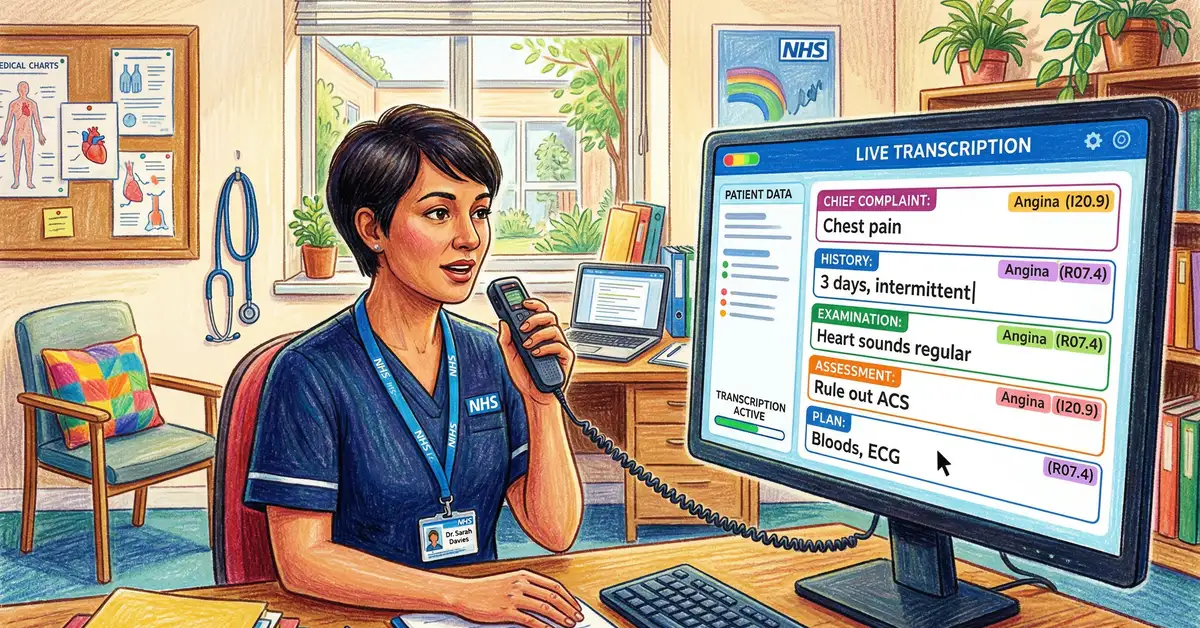
Clinical Documentation as a Crisis: The Hidden Cost of Manual Note-Taking The NHS faces one of its most persistent operational challenges:...
Healthcare Compliance: The Regulatory Landscape Transformed by Artificial Intelligence UK healthcare organisations operate within one of the world's...